Understanding the psychological impacts of gambling on decision-making behavior
The Nature of Gambling and Its Appeal
Gambling has captivated individuals for centuries, with its allure stemming from the potential for financial gain and the thrill of chance. This complex activity often activates the brain’s reward pathways, leading to feelings of excitement and euphoria. As players engage in various forms of gambling—from traditional casino games to sports betting—they often experience a rush of adrenaline that can influence their decision-making processes. To enhance their gaming experience, many users seek the bpexch download for pc, which provides access to all the latest features and updates. The sensation of potentially winning fuels the cycle of gambling, making it difficult for many to resist the temptation to play again.

Moreover, the unpredictability associated with gambling is a key factor that enhances its appeal. This uncertainty can trigger cognitive biases, such as the illusion of control, where players believe they can influence outcomes despite the randomness involved. Such misconceptions significantly impact their decisions, leading them to wager more than they might otherwise. Understanding these psychological drivers is essential for grasping how gambling influences individual behaviors and choices.
The social aspect of gambling also plays a critical role in its psychological impact. Many people enjoy the camaraderie that comes with placing bets alongside friends or family. This social interaction can reinforce gambling behaviors, creating an environment where individuals are more likely to take risks. The enjoyment of shared experiences can blur the lines between responsible gambling and reckless behavior, leading to more significant decision-making errors.
The Role of Cognitive Biases in Gambling Decisions
Cognitive biases significantly influence how individuals approach gambling. For example, the gambler’s fallacy—a common misconception—occurs when players believe that past events affect future outcomes. This fallacy can lead to poor decision-making, as individuals may bet on patterns that are statistically irrelevant. By ignoring the fundamental principles of probability, gamblers often put themselves at risk of significant financial loss.
Another critical cognitive bias is the availability heuristic, where individuals assess the likelihood of events based on how easily they can recall similar occurrences. In gambling, this might manifest when a player remembers recent wins but forgets losses. Such selective memory can create an inflated sense of confidence, driving players to make decisions that ignore the reality of their gambling history.
Lastly, the sunk cost fallacy often affects gamblers’ decisions. When individuals have already invested significant resources—whether time or money—they may feel compelled to continue gambling, hoping to recoup their losses. This behavior illustrates how psychological factors can cloud judgment, making it difficult for players to make rational choices based on current circumstances.
Risk and Reward in Gambling Decision-Making
The interplay of risk and reward is central to the decision-making processes involved in gambling. The potential for substantial financial gain encourages individuals to engage in activities where the stakes are high. However, understanding the concept of risk is crucial for responsible gambling. Many players fail to appreciate that the odds are often against them, leading to poor choices driven by the allure of the reward.
Moreover, the excitement associated with high-stakes gambling can lead to impulsive decisions. The thrill of potentially winning a large amount can overshadow the rational assessment of risks, causing players to place bets that exceed their limits. This behavior often results in financial and emotional distress, highlighting the need for self-awareness and restraint.
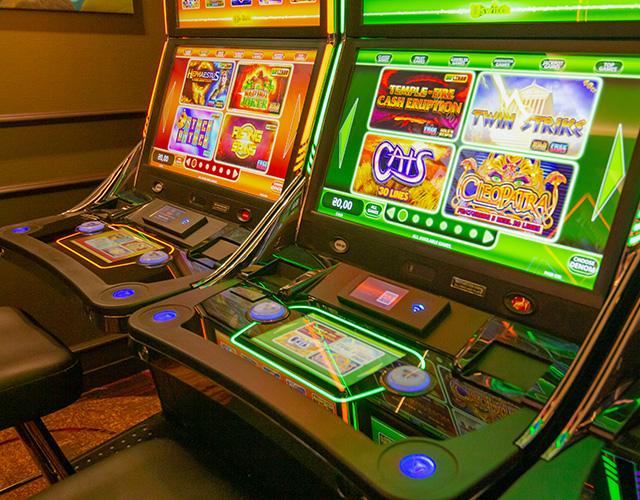
Additionally, gambling establishments are designed to enhance the perception of winning, further complicating players’ decision-making processes. The use of bright lights, sounds, and other sensory elements can create an immersive environment that distorts risk perception. This manipulation can lead individuals to gamble more frequently and aggressively than they would in a more subdued setting, emphasizing the psychological mechanisms at play.
The Long-Term Psychological Effects of Gambling
Engaging in gambling can lead to long-term psychological effects, particularly for those who develop gambling disorders. These disorders can manifest as anxiety, depression, and feelings of helplessness, significantly impacting a person’s overall well-being. The stress of financial losses often compounds these mental health issues, creating a vicious cycle that can be challenging to break.
Research has shown that the psychological toll of gambling can also affect interpersonal relationships. Individuals may withdraw from social circles or neglect responsibilities in pursuit of gambling activities. This isolation can lead to feelings of shame and guilt, further exacerbating psychological distress. As relationships suffer, the individual may find solace in gambling, perpetuating a harmful cycle.
Furthermore, the stigmatization of gambling addiction can deter individuals from seeking help. Many feel embarrassed to discuss their struggles, leading to an internal battle with their decision-making and psychological well-being. Encouraging open discussions about the psychological impacts of gambling is crucial in promoting healthier behaviors and fostering support networks for those affected.
Exploring Online Gambling Platforms and Their Psychological Effects
Online gambling platforms have revolutionized the way individuals engage with gambling. The accessibility of these platforms allows users to gamble at their convenience, potentially increasing the frequency and intensity of their gambling behavior. This constant availability can lead to impulsive decision-making, as players may find themselves gambling without fully considering the consequences.
Additionally, the anonymity of online gambling can heighten risk-taking behavior. Players may feel less accountable for their actions when gambling from the comfort of their homes, leading to decisions they might not make in a physical setting. This detachment can blur the lines between responsible and reckless gambling, making it essential to recognize the psychological implications associated with online platforms.
Moreover, some online gambling sites employ features designed to encourage continued play, such as bonuses and rewards. These incentives can create a cycle of dependency, making it increasingly challenging for players to make rational decisions. Understanding the psychological effects of these platforms is vital for promoting responsible gambling and protecting users from potential harm.
Conclusion and the Importance of Responsible Gambling
Understanding the psychological impacts of gambling on decision-making behavior is essential for both players and industry stakeholders. By recognizing the cognitive biases and emotional influences that drive gambling behavior, individuals can make more informed choices and engage in responsible gambling practices. Awareness of the risks associated with gambling is crucial for maintaining a healthy relationship with this activity.
Organizations and platforms dedicated to gambling, such as BPExch, play a vital role in fostering responsible gaming environments. By emphasizing user education and providing resources for those struggling with gambling-related issues, they can help mitigate the negative psychological effects associated with gambling. An informed player is better equipped to navigate the complexities of decision-making in gambling contexts.